
Beating Digital Burnout: A Neuroscience-Informed Approach to Protect Your Most Valuable Asset

Beating Digital Burnout: A Neuroscience-Informed Approach to Protect Your Most Valuable Asset

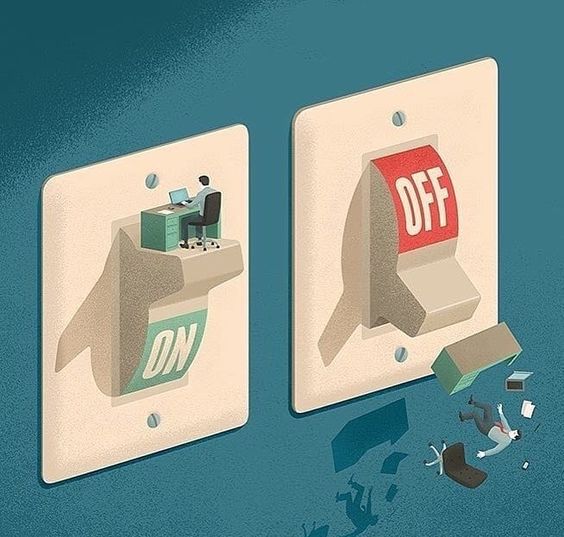
In today’s hyper-connected world, your brain is being stretched, strained and overloaded like never before. You wake up to notifications, spend your day buried in back-to-back video calls, juggle countless emails, respond to instant messages and often wind down by scrolling through social media — only to wake up and repeat the cycle.

If you feel mentally exhausted, emotionally drained and perpetually overwhelmed, you are not alone. What you are experiencing is not just tiredness — it could be digital burnout, a very real and very dangerous consequence of modern work-life realities.

And while most people dismiss this as “part of the job” or assume they can power through, the truth is, burnout doesn’t just sap your energy — it rewires your brain. Understanding the neuroscience behind burnout gives you the tools to fight it strategically — and reclaim your mental clarity, focus and peak performance.

Burnout is often associated with long hours and overwhelming workloads. But in today’s environment, it’s not just the workload — it’s the way technology keeps your brain perpetually engaged, stimulated and overstimulated.

Digital burnout occurs when your brain’s cognitive and emotional resources are depleted due to constant digital interactions — whether it’s emails, meetings, social media or the expectation to be always on.

But here’s the dangerous part: most people don’t realise burnout is creeping in — until their brain function, mental health and performance are already compromised.

Your brain is a remarkable organ — but it wasn’t designed for continuous, high-speed, digital overload. To understand how burnout unfolds, let’s look at what happens inside your brain:

The prefrontal cortex — your brain’s executive command centre — is responsible for decision-making, problem-solving and focus. Every time you switch tasks, respond to an email, jump on a call or check your notifications, this part of your brain works harder.

But it’s not limitless. Constant digital multitasking fatigues your prefrontal cortex, making it harder to concentrate, leading to brain fog, poor decision-making and mental exhaustion.

Your brain’s reward chemical, dopamine, is triggered by small bursts of satisfaction — like the buzz of a new message, a social media notification or a “like.”

In moderation, dopamine boosts motivation and focus. But constant digital stimulation hijacks this system, creating a dependence on shallow rewards while reducing your brain’s natural ability to experience deep satisfaction and motivation. Over time, this leads to restlessness, anxiety and difficulty engaging in meaningful work.

Cortisol, your stress hormone, plays an important role in keeping you alert in threatening situations. But in the modern world, your brain interprets every unanswered email, late-night work message and digital interruption as a threat.

This keeps your cortisol levels chronically elevated, impairing memory, suppressing your immune system and increasing irritability, anxiety and even depression.

Your brain’s Default Mode Network (DMN) is the system responsible for reflection, creativity and strategic thinking. But the DMN only activates during downtime — like quiet moments, walking or daydreaming. Constant digital distractions rob your brain of these essential moments, limiting creativity and big-picture thinking.

Unchecked, digital burnout impacts far more than just your mood — it damages your performance, relationships and long-term wellbeing.

Your ability to focus, solve problems and think strategically declines, leaving you stuck in reactive, shallow work.

With cortisol constantly elevated, your ability to manage stress, frustration and emotions diminishes, leading to poor decision-making and damaged professional relationships.

Your brain’s natural ability to bounce back from challenges is compromised, making small problems feel overwhelming and reducing your mental stamina.

Burnout doesn’t just stay in your head. It manifests physically through headaches, insomnia, low immunity and increased risk of chronic illness.

In an era where mental sharpness, emotional intelligence and resilience are essential for success, digital burnout is a silent career killer.

Fortunately, your brain is neuroplastic — it can rewire, recover and rebuild with the right strategies. Here’s how you can take a neuroscience-informed approach to protect your mental edge:

Your brain needs regular breaks to reset. Implement micro-recovery rituals every 90 minutes — even a 5-minute walk, breathing exercise or quiet moment without screens helps restore your cognitive resources. Research shows these short breaks significantly boost productivity and creativity.

Deliberately schedule periods of no digital stimulation. It can be 30 minutes a day or entire hours on weekends. This helps rebalance your dopamine system, reducing restlessness and improving your ability to engage in focused, meaningful work.

Leverage your brain’s natural rhythms by blocking 25-45 minute chunks for focused, distraction-free work. Turn off notifications, silence your phone and immerse yourself. This builds cognitive endurance and allows your prefrontal cortex to perform at its best.

Technology is a tool — not your master. Set clear boundaries:
✅ No emails or messages after a certain hour
✅ Disable non-essential notifications
✅ Protect your sleep environment from devices
✅ Communicate your boundaries to your team — most people will respect them if you set the tone

Sleep is when your brain consolidates memory, processes information and flushes out toxins. Poor sleep accelerates burnout. Invest in a consistent sleep routine, minimise blue light exposure in the evenings and create a wind-down ritual to signal your brain it’s time to rest.

Make space for reflection and creative thinking by protecting quiet time — walks, journaling or simply sitting in silence. These moments activate your Default Mode Network, enhancing strategic thinking, problem-solving and innovation.

Mindfulness practices have been shown to reduce cortisol levels, enhance emotional regulation and restore mental clarity. Even 5 minutes a day of conscious breathing can calm your nervous system and restore cognitive function.

The world isn’t slowing down — but you can choose how your brain interacts with it. Digital burnout is real, but it’s not inevitable. High performers don’t just work harder — they work smarter by protecting their mental bandwidth.

By applying neuroscience-informed strategies, you can beat burnout, reclaim your focus and sustain high performance — not just for today, but for the long run.

The question isn’t whether your brain is under constant digital siege — it’s what you are willing to do about it.

If you are ready to upgrade your mental resilience, reclaim your cognitive edge and perform at your highest level, let’s talk.


#DigitalBurnout #Neuroscience #PeakPerformance #BrainHealth #MentalResilience #LeadershipDevelopment #FocusMatters #ExecutiveCoaching #HighPerformanceAlchemy #CognitiveFitness #NeuroLeadership #EmotionalIntelligence


The Hidden Power of Words: How They Shape Your Life and Career

The Hidden Power of Words: How They Shape Your Life and Career

Words. You hear them. You speak them. You think them.

But do you truly understand the invisible grip they have on your life, your career, your future?

Most people underestimate the power of language. They treat words as harmless tools for communication. But words are much more than that — they are the architects of your reality. The silent drivers of your confidence, your decisions and even your success.

Every time you say:

  • “I can’t do this…”
  • “I’m not good enough…”
  • “This always happens to me…”

You are not just expressing frustration. You are handing your mind a blueprint.

Your brain listens. It adapts. It rewires itself to fit the story you tell. Without realizing it, you shrink your possibilities, limit your choices and sabotage your potential — all through the words you casually use.

But flip the script… and everything changes.

When you say:

  • “I’m figuring this out…”
  • “I have what it takes…”
  • “This challenge will make me stronger…”

You are still telling a story — but this time, it fuels action, belief and growth.

Your mind responds. Your confidence shifts. Your behaviors align. And suddenly, new doors open where you once saw walls.

Your self-talk isn’t just background noise. It’s the language your identity listens to. And identity is the root of every action you take.

Consider this:
A person who repeatedly says, “I’m terrible at presenting,” doesn’t just perform poorly during presentations. They avoid opportunities, overthink simple interactions and unconsciously pull back when it’s time to lead.

But change the language to, “I’m learning to become a better presenter,” and their behavior follows. They lean in. They practice. They improve. Their identity evolves — not overnight, but steadily — driven by the simple power of altered words.

The same principle applies across your career:

  • Want to become a respected leader? Start by changing how you speak about your abilities.
  • Want to influence your team? Pay attention to the language you use with them.
  • Want to break free from self-doubt? Rewire the silent stories you have been telling yourself.

It’s not just your inner dialogue. The words you use with others either open doors… or quietly close them.

In your career, success isn’t just about skills — it’s about influence. And influence is built on how you communicate.

  • Say the right words in a meeting — you inspire action.
  • Phrase your ideas with clarity and conviction — you earn credibility.
  • Handle conflicts with mindful language — you build trust.

On the flip side, careless words create misunderstandings, damage reputations and limit your growth — often without you even realizing it.

The truth is, your vocabulary shapes your visibility. The more intentional you become with your words, the stronger your influence becomes.

Here’s what most people never realize — your mind isn’t logical by default. It’s programmable.

And what programs it? Repetition. Emotion. Language.

If you repeatedly use language that paints you as stuck, small or incapable, your mind files that away as truth. Your behaviors follow suit. Your career stagnates. Your confidence erodes.

But when your words tell a different story — one of growth, resilience and possibility — your mind rewires itself to believe that too. Your actions shift. You take risks. You build momentum.

In other words, your success isn’t only built on qualifications or luck. It starts with the silent conversation happening in your head — and the language you choose to fuel it.

Think about the most successful people you know. They aren’t just skilled. They communicate with precision. Their words reflect belief, vision and influence.

It’s no accident. They have mastered the hidden language of leadership and impact. And so can you.

But it requires awareness.
It requires upgrading your internal dialogue.
It requires practicing intentional, empowering language — daily.

This isn’t about empty motivation. It’s about practical, proven strategies to reshape how you think, speak and lead.

So, Ask Yourself:

✅ What story are your words telling about your abilities?
✅ Are your daily conversations building your confidence — or quietly dismantling it?
✅ Is your language helping you stay relevant, influential and future-ready — or keeping you stuck in old patterns?

The answers to these questions could be the hidden key to your next breakthrough.

The fastest way to shift your life and career?
Upgrade your words.
Reframe your story.
Watch how your confidence, influence and opportunities grow.

It starts with one conversation — with yourself and with the right guide.

If you are serious about unlocking your potential and transforming how you show up — in your career, your leadership, your life — let’s talk.

👉 http://localhost/hpa/contact-us/

Your words have already shaped your present. Let’s use them to redesign your future.

#careeradvancement #leadershipdevelopment #communicationmastery #mindsetshift #selftalk #confidencebuilding #influenceskills #professionalsuccess #stayrelevant #futureofwork #highperformancealchemy #yourwordscreateyourworld

Neuroscience of Thinking: Why Thoughts Are So Powerful

Neuroscience of Thinking: Why Thoughts Are So Powerful

Have you ever wondered why some thoughts seem to stick like glue, shaping your mood, your day and sometimes your entire life? You are not alone. In fact, neuroscience and psychology both point to one powerful truth:

👉 Your thoughts don’t just reflect your reality. They create it.

Understanding why thoughts are so powerful is more than just a philosophical curiosity—it’s a science-backed insight that can change the way you lead, live and grow. Whether you are navigating challenges in your career or striving to elevate your personal performance, learning why thoughts are so powerful can give you the edge you have been looking for.

Here, you’ll explore why thoughts are so powerful, how they are wired into your brain and what you can do to take charge of them—especially if you are striving for high performance, personal growth and sustainable leadership.

By the end, you’ll not only understand why thoughts are so powerful, but also how to transform them into your most valuable leadership tool.

Your brain’s primary job is to keep you safe. And one of the ways it does that is by predicting outcomes based on past experiences. It uses your thoughts—especially the ones you repeat often—as data points to form these predictions.

This is where neuroplasticity comes in. Neuroplasticity is your brain’s ability to rewire itself. When you think a thought repeatedly, neurons in your brain fire together and strengthen their connection. The more you reinforce a thought, the more automatic and powerful it becomes.

For example: If you keep thinking “I’m not good at public speaking”, your brain starts embedding that belief into your neural network. Over time, it no longer feels like a thought—it feels like a fact.

This isn’t philosophy. It’s biology.

Psychology calls this process the formation of cognitive schemas—mental frameworks that filter how you perceive reality. Once a thought becomes a belief, it starts to influence what you notice, how you interpret events and what you expect from the future.

💭 A single disempowering thought can:

  • Prevent you from asking for a promotion
  • Stop you from speaking up in a meeting
  • Keep you from pursuing opportunities

And the more evidence your brain collects to support that belief, the more deeply entrenched it becomes.

Your thoughts don’t just stay in your head—they influence your body’s chemistry.

  • Negative, fear-based thoughts trigger the release of cortisol, the stress hormone.
  • Empowering, possibility-driven thoughts activate dopamine and serotonin, the feel-good chemicals that promote motivation and calm.

This means that your dominant thought patterns don’t just affect your mood—they shape your energy levels, immune system, sleep patterns and decision-making ability.

Over time, repetitive negative thinking can create chronic stress, even if your external life seems “fine.”

Here’s the twist: You may not always control which thoughts arise—but you always have the power to choose which ones you reinforce.

Every time you pause and challenge a disempowering thought, you interrupt its neural pathway.
Every time you replace it with a thought aligned to your values or goals, you begin to recode your brain.

Neuropsychologist Dr. Rick Hanson puts it beautifully: “The brain is like Velcro for negative experiences and Teflon for positive ones. You have to help the good stick.”

You can help the good stick by being intentional with your self-talk, especially during moments of challenge

If you are in a leadership role—or aspiring to be—this becomes even more important.
Because your identity as a leader is shaped by the thoughts you habitually entertain.

Are you thinking:

  • “I have to prove myself constantly”?
  • “People won’t take me seriously unless I’m perfect”?
  • “It’s too risky to ask for more”?

These aren’t just inner scripts—they shape your posture, your tone, your decisions and your ability to influence others.

Now imagine replacing those with:

  • “I lead with clarity and purpose.”
  • “I bring value by being authentic.”
  • “I trust my preparation and vision.”

The energy you bring into a room changes. Your team notices. Opportunities respond.

You don’t need a complete mindset overhaul overnight. What you need is a system to disrupt the default and create space for conscious choice.

Here’s a simple 3-step practice:

🔹 Step 1: Name the Thought

When a repetitive or negative thought shows up, give it a name. Not to judge it—but to create distance.
Example: “Ah, here’s the ‘I’m not ready’ thought again.”

🔹 Step 2: Challenge It

Ask yourself:

  • Is this absolutely true?
  • What’s the evidence against it?
  • Is there another way to see this?

🔹 Step 3: Reframe It

Replace the thought with one that is both believable and supportive.
“I’m not ready” becomes: “I may not know everything, but I have prepared well and I’m open to learning.”

Repeat this enough times and you start building new neural highways that support growth.

You might be upgrading your skills, attending leadership programs and learning new tools. But unless you also address the underlying thoughts running your internal dialogue, change will feel surface-level.

Because the thoughts you believe to be true?
They are quietly deciding what you allow yourself to dream, attempt and become.

Your thoughts are powerful because your brain is listening.
Your body is responding.
And your future is being shaped—one mental signal at a time.

The good news? You are the programmer. And it’s never too late to change the code.

If you are ready to shift the way you think so you can lead, live and perform at your highest level—you are not alone.
That’s the work we do, every single day.

📩 Let’s explore how you can rewire your thinking for growth, impact and fulfillment:

#thoughtsandmindset #neuroscienceofthoughts #psychologyofthinking #cognitivereframing #neuroplasticity #leadershipdevelopment #highperformancehabits #emotionalintelligence #selfawareness #thoughtpatterns #mentalfitness #innerdialogue #mindsetcoaching #personalgrowth #brainrewiring

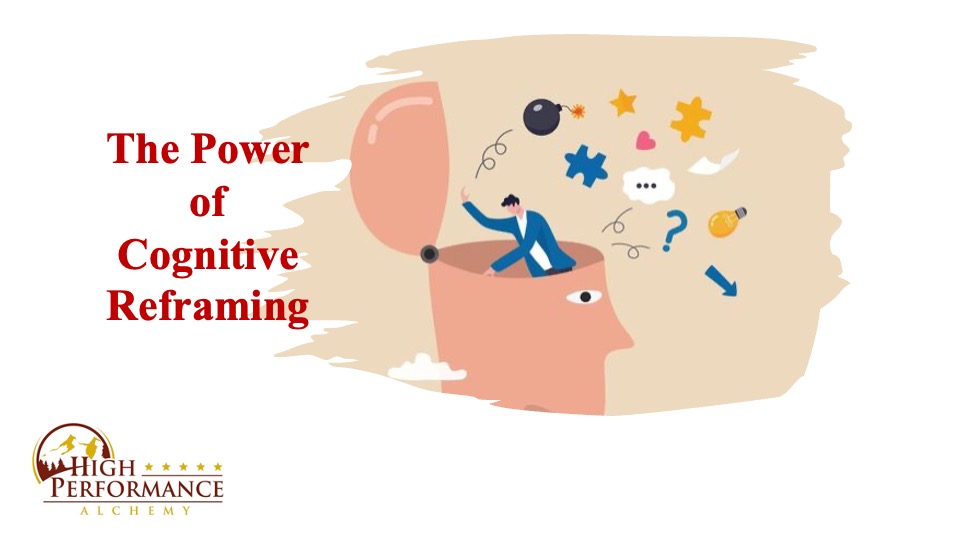
The Power of Cognitive Reframing: Your Secret Weapon to Staying Calm Amidst Chaos

The Power of Cognitive Reframing: Your Secret Weapon to Staying Calm Amidst Chaos

Staying calm when everything around you feels like it’s falling apart isn’t easy. You might have read self-help books, attended workshops or tried various techniques to manage stress, but when chaos strikes, the mind often defaults to panic. The noise, pressure and uncertainty build up, making it feel impossible to maintain any semblance of peace. The truth is, staying calm isn’t about having the right tools around you. It’s about mastering the one tool that you carry with you everywhere: your mind.

This is where cognitive reframing becomes a game-changer. If you have never heard of it before, cognitive reframing may be the most powerful mental shift you can make to navigate uncertainty with a steady, calm mind.

Imagine this: You are stuck in traffic, already running late for an important meeting. As your mind races, thoughts like, “Why does this always happen to me?” and “I’m going to ruin my entire day!” flood your brain. Stress builds, your heartbeat quickens and frustration takes over. Now, what if, instead of seeing this situation as a catastrophe, you reframed it? Instead of stressing out, you choose to see it as an opportunity. You might think, “Okay, this is unexpected, but maybe I can use this time to review my key points for the meeting.” Or, “This could be a great moment to catch up on that podcast I have been putting off.” You can even call ahead and inform them of your delay, so that you can focus on what’s within your control.

That shift in mindset, from helplessness to control, is cognitive reframing. It’s the process of consciously changing the way you interpret a situation to alter your emotional response. The event remains the same, but how you perceive it directly impacts whether you spiral into anxiety or remain calm.

Your brain is wired to react to perceived threats through the fight-or-flight response. This ancient survival mechanism was crucial for early humans facing life-threatening situations, like wild animals. However, in today’s world, it often kicks in during moments of stress, such as a tight deadline at work or a difficult conversation with a colleague. This stress response releases cortisol and adrenaline, which can overwhelm your system, making it difficult to think clearly or make rational decisions.

Cognitive reframing works by interrupting this automatic, panic-driven response. Instead of interpreting every stressful situation as a threat, you can consciously choose to assign a different meaning. Research in cognitive psychology shows that the way we frame our experiences directly impacts our emotional well-being. By shifting your perspective, you can reduce stress, increase resilience and regain a sense of control—even when external chaos remains unchanged.

Your brain has something called neuroplasticity, which means it has the ability to form new neural pathways. By practicing cognitive reframing, you train your brain to interpret challenges in healthier ways. Over time, this rewires your brain to respond with clarity, rather than panic, in stressful situations.

The more you practice reframing, the more natural it becomes. It’s like building muscle in your mind—each time you choose a more constructive interpretation of a stressful event, your brain strengthens that pathway, making it easier to stay calm next time.

It’s easy to read about cognitive reframing in theory, but how do you apply it in real-time when stress is mounting? Here’s how:

  1. Pause and Reflect:
    The next time you feel overwhelmed, take a moment to pause. Ask yourself, “What’s another way to view this situation?” For instance, instead of thinking, “This is the worst day ever,” try reframing it as, “This is a tough moment, but I have handled worse before.”
  2. Assess the Impact of Your Thoughts:
    Ask yourself whether your thoughts are helping or hurting you. Are your thoughts making you more anxious? If so, actively choose a perspective that keeps you grounded. For example, if your project at work falls apart last minute, you might initially feel frustration or panic. Reframing allows you to see it as an opportunity to problem-solve, learn adaptability and build resilience.
  3. Apply Compassion:
    We are often kinder and more rational when advising others. Use that same compassion on yourself. For example, if a close friend were going through a tough time, you’d probably remind them that they have faced challenges before and come out stronger. Why not offer that same advice to yourself in moments of stress?

Cognitive reframing is a skill that improves with practice. Like any muscle, it gets stronger the more you use it. The more you consciously shift your perspective, the easier it becomes to remain calm in the face of chaos.

One effective way to train your mind is through journaling. Set aside time each day to write down a stressful situation and actively reframe it. This exercise trains your brain to look for alternative, more positive perspectives, even in challenging moments. Over time, the process becomes more intuitive and your brain starts naturally interpreting stressful events with greater resilience.

Chaos will always be a part of life. The world is unpredictable and external circumstances often feel beyond our control. But how you engage with that chaos is entirely within your power. Cognitive reframing isn’t about pretending everything is fine or dismissing your emotions. It’s about choosing a perspective that serves you, rather than letting your emotions control you. It’s about regaining your peace, no matter what is happening around you.

The next time life throws you into uncertainty, remember this: you have the ability to decide how you will respond. You can choose to drown in the stress or you can rise above it with clarity and calm.

So, what’s one situation in your life that could use a little reframing right now?
If you are looking for personalized guidance on managing stress, increasing resilience or navigating leadership challenges, we are here to help. 

and let’s work together to bring clarity and calm into your life.

Remember, the power to reshape your response to stress is within your control—embrace cognitive reframing and transform chaos into clarity.

#CognitiveReframing #StressManagement #EmotionalResilience #LeadershipSkills #Mindfulness #PersonalDevelopment #CareerGrowth #StressRelief #EmotionalIntelligence #ChaosManagement #ProductivityTips #LifeCoaching #PositiveThinking #Neuroplasticity #SelfCare #OvercomingStress #PersonalGrowth #MentalHealth #CareerAdvice #MindsetMatters #ResilienceBuilding

Women Leadership: Beyond Breaking The Glass Ceiling

Women Leadership: Beyond Breaking The Glass Ceiling

When we talk about women in leadership, the conversation often centres around breaking the glass ceilinggender equity and fair representation. These are vital issues, but they only scratch the surface. Women leadership is not just about fairness — it’s about future-readiness. Organizations that recognize this are not just promoting diversity; they are embracing a competitive advantage.

If you are only looking at women leadership through the lens of equality, you are missing a much bigger opportunity — one that can transform how businesses grow, innovate and lead in complex times.

The workplace is evolving faster than ever. With digital transformation, hybrid workforces and rapid innovation taking centre stage, leaders today must navigate uncertainty, foster trust and drive collaboration. Women leaders excel in these areas, not just because of their identity, but because of the distinct leadership qualities they bring.

Studies consistently show that companies with greater gender diversity at leadership levels outperform others in profitabilityinnovation and employee engagement. It’s time we stop treating women leadership as a moral obligation — and start seeing it as a strategic imperative.

Research shows that women in leadership positions tend to promote:

  • Empathetic communication
  • Collaborative decision-making
  • Psychological safety
  • Inclusive team cultures

These are not just soft skills — they are mission-critical competencies in today’s agile, team-based environments.

By fostering a collaborative leadership style, women drive cultures that are not only more adaptive but also more innovative. This kind of environment helps unlock creativityreduce attrition and boost team performance.

Women leaders often emphasize work-life balanceemotional intelligence and growth-oriented feedback — qualities that Millennials and Gen Z employees actively seek in their leaders.

When employees, regardless of gender, work under inclusive and empathetic leaders, retention improvesengagement scores rise and trust deepens.

If your company is facing challenges with employee engagement, morale or innovation, investing in the development of women leaders could be your most strategic move yet.

Representation matters. But representation alone isn’t enough. What matters more is authentic leadership — women leading not by imitating traditional styles but by redefining leadership through their own lens.

When young women see others leading with authenticity, it signals that leadership isn’t about conforming — it’s about contributing differently. It’s about reshaping outdated leadership models into inclusive, dynamic and forward-thinking ecosystems.

And that starts with companies rethinking how leadership potential is assessedhow leaders are developed and what performance looks like.

More than ever, leadership is about taking a long-term view. Organizations with women in leadership roles tend to perform better on Environmental, Social and Governance (ESG) metrics. They prioritize sustainable growth over short-term wins and are more attuned to the needs of diverse stakeholders.

If your business is serious about long-term success, women leadership isn’t optional — it’s essential.

Whether you are a CXO, team manager or individual contributor — you have a role to play:

  • Mentor and sponsor women in your team
  • Reflect on biases in your feedback and promotion processes
  • Advocate for inclusive practices in your meetings and project teams

Women leaders don’t need fixing. What needs fixing is the system that underrepresents diverse leadership styles. Start where you are. Influence what you can.

The next time someone says, “We already have diversity policies in place,” ask: Is that enough?
Are we building systems that truly support diverse leaders?
Are we redefining leadership or just repackaging the same mold?

Women leadership is not a checkbox. It’s a business growth strategy, a cultural evolution and a path to organizational excellence.

Let’s move beyond tokenism. Let’s design leadership development strategies that embrace complexitybuild resilienceand unlock human potential.

👉 Visit our 

page to learn how we can help you build a future-ready leadership culture that truly reflects diverse strengths.


#LeadershipDevelopment #WomenInLeadership #InclusiveLeadership #HumanExcellence #FutureOfWork #ExecutiveCoaching #CareerGrowth #BusinessSustainability

The Silent Career Killer: Are You Stuck in Execution Mode?

The Silent Career Killer: Are You Stuck in Execution Mode?

Are you working harder than ever but still missing out on promotions?

You consistently deliver, handle tasks efficiently and serve as the go-to person on your team.

Yet, decision-makers continue to overlook you for leadership roles, promotions and strategic projects.

Chances are, you are operating in “execution mode” and staying there without realizing it.

This mindset blocks career growth for many professionals—especially those in mid-career roles.

Execution mode is when you are constantly busy doing the work—solving problems, hitting deadlines and keeping the ship afloat—but not stepping up to strategic thinking or influencing business outcomes.

People see you as reliable and hardworking, but they don’t view you as a strategic leader or decision-maker.

🚨 And here’s the career trap:
Companies don’t promote just doers—they promote thinkers, influencers and strategists.

Here are some signs you are stuck in execution mode:

🔹 You are always working, but leaders don’t notice your efforts.
🔹 You fix problems, but you are not part of key decisions.
🔹 Others move ahead faster, even if they do less.
🔹 Your manager trusts you to finish tasks, but not to lead the team.
🔹 You find it hard to delegate because you want it done right.

If this feels true for you, you are not alone.

Many hardworking professionals face this—especially when they focus only on doing the work.

Being great at execution doesn’t automatically lead to career advancement.


Here’s what tends to happen when you stay stuck:

 You Miss Out on Leadership Development

You are not building skills in decision-makingstakeholder influence or strategic problem-solving—the very skills leaders need.

❌ They Don’t See You as a Strategic Player

You deliver results and handle responsibilities well. Yet, they notice those who influence direction, drive outcomes and think beyond daily tasks. To change that, you need to show your impact, speak up and contribute to bigger goals.

 You Become Replaceable

f your value is based only on completing tasks, you risk being replaced by someone who can do it faster, cheaper or with automation.

You don’t have to stop working hard—but you do need to work differently. Here’s how:

Start asking:

  • Why is this task important to the business?
  • How can you improve this process?
  • Who are the key stakeholders to influence?

Leaders connect execution to business outcomes. You should too.

Don’t just say, “I finished the task.”

Say, “This improved process efficiency by 25% and helped reduce delivery delays.”

Learn to speak the language of business impact.

Train, delegate and trust others—so you can focus on strategyinfluence and vision setting.

People notice leaders as they get involved in high-impact initiatives.


Here’s how to raise your visibility:

  • Volunteer for cross-functional teams
  • Involve in business-critical projects
  • Build relationships with key decision-makers

Stuck in execution mode? The good news is—you can shift gears and become the strategic leader your company needs.

You won’t achieve it by waiting for recognition.

Taking the below initiative leads to real progress.

  • Shift your mindset
  • Communicate impact
  • Build leadership presence
  • Align your actions with strategic outcomes

🎯 Are you ready? Do you want to grow into the leadership role you deserve?

Don’t let execution mode define your career—take the first step toward visibility, influence and leadership by reaching out today.

#CareerGrowth #LeadershipDevelopment #StrategicThinking #LeadershipMindset #BreakTheCareerPlateau #FromDoertoLeader #HighPerformanceHabits #ExecutionToInfluence #LeadWithImpact #UnlockYourPotential #MidCareerProfessionals #StuckInExecuti

When Workplace Manipulation Threatens Your Mental Health and Career

When Workplace Manipulation Threatens Your Mental Health and Career

The workplace is often compared to a chessboard, where every move can impact your growth, relationships and peace of mind. However, not every player follows the rules. Tricky or manipulative situations can creep into your professional life, leaving you feeling unsettled and questioning your decisions. Manipulation, if unchecked, don’t just hijack your mental health—they can derail your career prospects.

Let’s explore how these subtle dynamics work and more importantly, how to handle manipulation effectively.

Workplace manipulation often starts subtly. It could be a colleague who takes credit for your work, a manager who gaslights your concerns or a team member who subtly sabotages you while appearing supportive. Over time, these actions can chip away at your confidence and clarity.

Here’s the tricky part: manipulative behaviors often masquerade as normal workplace interactions. A seemingly casual “joke” might actually be undermining your credibility. A friendly “favour” may come with strings attached, locking you into a dynamic where you owe someone something without realizing it.

The result? You start questioning your abilities and second-guessing your decisions. This mental strain can lead to anxiety, stress and even burnout, making it harder to focus on your actual goals.

Manipulative tactics in the workplace thrive on emotional vulnerability. They target your need for validation, your fear of conflict or your desire to belong. Over time, these interactions create a toxic loop:

  • Self-Doubt: Constant manipulation makes you question your worth and competence.
  • Chronic Stress: Navigating these situations drains your emotional energy, leaving you exhausted.
  • Isolation: You may feel isolated as trust erodes between you and your colleagues.
  • Impostor Syndrome: Over time, you might start believing you are not capable, even when evidence suggests otherwise.

This doesn’t just affect your performance—it affects your ability to dream big and pursue meaningful career opportunities. When you are caught in the web of manipulation, your mental bandwidth is consumed by damage control instead of growth.

Manipulation can be insidious in how it undermines your career. For example:

  • Missed Opportunities: If someone takes credit for your work, you miss the recognition you deserve, which can impact promotions or new roles.
  • Damaged Reputation: Subtle rumors or miscommunications might paint an inaccurate picture of your capabilities.
  • Stagnation: Spending time dealing with manipulative behaviors means less time focusing on innovation, leadership or strategic growth.
  • Loss of Confidence: When manipulation erodes your self-belief, you may stop advocating for yourself in important conversations like performance reviews or new projects.

It’s a double-edged sword. While you are fighting to stay emotionally balanced, your career progression can feel like it’s on hold.

The good news? You can regain control. It starts with awareness and action.

  • Recognize the Behavior: Manipulation thrives in ambiguity. Pay attention to red flags—are you constantly second-guessing interactions with a particular colleague? Are you feeling drained after conversations with certain people?
  • Set Boundaries: Be clear about what’s acceptable and what’s not. For example, if someone takes credit for your work, gently but firmly correct the narrative in a group setting: “I’m glad the team values this idea—it was exciting to work on this project.”
  • Document Everything: If manipulation is impacting your work, keep a record of relevant interactions. Written evidence can be invaluable if you need to escalate concerns.
  • Build a Support Network: Seek out mentors, trusted colleagues or even external professional networks to provide perspective and advice.
  • Strengthen Emotional Resilience: Invest in practices that help you stay grounded, whether it’s mindfulness, therapy or even just regular exercise. When you are emotionally resilient, manipulative tactics lose their grip.
  • Know When to Escalate: If the behavior persists, don’t hesitate to involve HR or a higher authority. Use documented instances to back up your claims and remain factual, not emotional, in these discussions.

Manipulative workplace dynamics can feel overwhelming, but they don’t have to define your professional journey. By staying aware, setting boundaries and protecting your mental health, you can navigate these tricky situations without letting them derail your success.

Your career isn’t just about what you achieve—it’s also about how you feel along the way. Protect your peace, assert your value and move forward with confidence. Because no amount of manipulation can hold back someone who’s clear about their worth.

Don’t let manipulation or toxicity steal your potential—stand up, set boundaries and take charge of your mental health and career today. The sooner you act, the sooner you reclaim your path to success.

If you are experiencing manipulation at work, don’t hesitate to reach out for guidance on how to protect your career and well-being.

for personalized advice and strategies to reclaim your professional life. Let’s build a path to success together!

#WorkplaceManipulation #MentalHealthAtWork #CareerGrowth #EmployeeWellbeing #LeadershipSkills #CareerSuccess #Resilience #EmotionalIntelligence #WorkplaceStress #HealthyWorkplace #SelfAdvocacy #PersonalGrowth #BoundariesAtWork #ImpostorSyndrome #WorkplaceCulture #StressManagement #ToxicWorkplace #CareerDevelopment #ProfessionalGrowth