

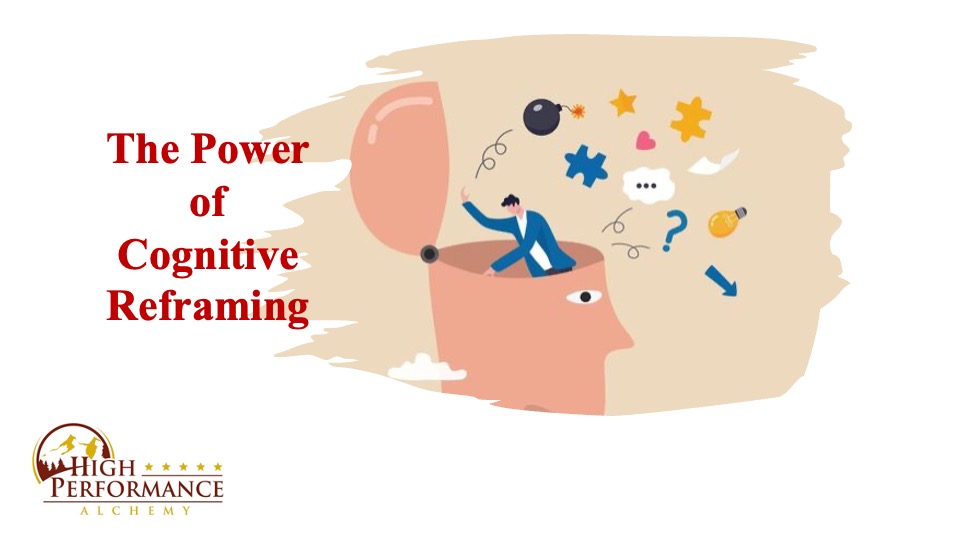
Staying calm when everything around you feels like it’s falling apart isn’t easy. You might have read self-help books, attended workshops or tried various techniques to manage stress, but when chaos strikes, the mind often defaults to panic. The noise, pressure and uncertainty build up, making it feel impossible to maintain any semblance of peace. The truth is, staying calm isn’t about having the right tools around you. It’s about mastering the one tool that you carry with you everywhere: your mind.
This is where cognitive reframing becomes a game-changer. If you have never heard of it before, cognitive reframing may be the most powerful mental shift you can make to navigate uncertainty with a steady, calm mind.
What is Cognitive Reframing?
Imagine this: You are stuck in traffic, already running late for an important meeting. As your mind races, thoughts like, “Why does this always happen to me?” and “I’m going to ruin my entire day!” flood your brain. Stress builds, your heartbeat quickens and frustration takes over. Now, what if, instead of seeing this situation as a catastrophe, you reframed it? Instead of stressing out, you choose to see it as an opportunity. You might think, “Okay, this is unexpected, but maybe I can use this time to review my key points for the meeting.” Or, “This could be a great moment to catch up on that podcast I have been putting off.” You can even call ahead and inform them of your delay, so that you can focus on what’s within your control.
That shift in mindset, from helplessness to control, is cognitive reframing. It’s the process of consciously changing the way you interpret a situation to alter your emotional response. The event remains the same, but how you perceive it directly impacts whether you spiral into anxiety or remain calm.
Why Does Cognitive Reframing Work?
Your brain is wired to react to perceived threats through the fight-or-flight response. This ancient survival mechanism was crucial for early humans facing life-threatening situations, like wild animals. However, in today’s world, it often kicks in during moments of stress, such as a tight deadline at work or a difficult conversation with a colleague. This stress response releases cortisol and adrenaline, which can overwhelm your system, making it difficult to think clearly or make rational decisions.
Cognitive reframing works by interrupting this automatic, panic-driven response. Instead of interpreting every stressful situation as a threat, you can consciously choose to assign a different meaning. Research in cognitive psychology shows that the way we frame our experiences directly impacts our emotional well-being. By shifting your perspective, you can reduce stress, increase resilience and regain a sense of control—even when external chaos remains unchanged.
The Neuroscience Behind Reframing
Your brain has something called neuroplasticity, which means it has the ability to form new neural pathways. By practicing cognitive reframing, you train your brain to interpret challenges in healthier ways. Over time, this rewires your brain to respond with clarity, rather than panic, in stressful situations.
The more you practice reframing, the more natural it becomes. It’s like building muscle in your mind—each time you choose a more constructive interpretation of a stressful event, your brain strengthens that pathway, making it easier to stay calm next time.
How to Apply Cognitive Reframing in Real Life
It’s easy to read about cognitive reframing in theory, but how do you apply it in real-time when stress is mounting? Here’s how:
- Pause and Reflect:
The next time you feel overwhelmed, take a moment to pause. Ask yourself, “What’s another way to view this situation?” For instance, instead of thinking, “This is the worst day ever,” try reframing it as, “This is a tough moment, but I have handled worse before.” - Assess the Impact of Your Thoughts:
Ask yourself whether your thoughts are helping or hurting you. Are your thoughts making you more anxious? If so, actively choose a perspective that keeps you grounded. For example, if your project at work falls apart last minute, you might initially feel frustration or panic. Reframing allows you to see it as an opportunity to problem-solve, learn adaptability and build resilience. - Apply Compassion:
We are often kinder and more rational when advising others. Use that same compassion on yourself. For example, if a close friend were going through a tough time, you’d probably remind them that they have faced challenges before and come out stronger. Why not offer that same advice to yourself in moments of stress?
Strengthening Your Mind’s Muscle: Practice Makes Perfect
Cognitive reframing is a skill that improves with practice. Like any muscle, it gets stronger the more you use it. The more you consciously shift your perspective, the easier it becomes to remain calm in the face of chaos.
One effective way to train your mind is through journaling. Set aside time each day to write down a stressful situation and actively reframe it. This exercise trains your brain to look for alternative, more positive perspectives, even in challenging moments. Over time, the process becomes more intuitive and your brain starts naturally interpreting stressful events with greater resilience.
The Calm in the Storm
Chaos will always be a part of life. The world is unpredictable and external circumstances often feel beyond our control. But how you engage with that chaos is entirely within your power. Cognitive reframing isn’t about pretending everything is fine or dismissing your emotions. It’s about choosing a perspective that serves you, rather than letting your emotions control you. It’s about regaining your peace, no matter what is happening around you.
The next time life throws you into uncertainty, remember this: you have the ability to decide how you will respond. You can choose to drown in the stress or you can rise above it with clarity and calm.
So, what’s one situation in your life that could use a little reframing right now?
If you are looking for personalized guidance on managing stress, increasing resilience or navigating leadership challenges, we are here to help.
Contact us today
and let’s work together to bring clarity and calm into your life.
Remember, the power to reshape your response to stress is within your control—embrace cognitive reframing and transform chaos into clarity.
#CognitiveReframing #StressManagement #EmotionalResilience #LeadershipSkills #Mindfulness #PersonalDevelopment #CareerGrowth #StressRelief #EmotionalIntelligence #ChaosManagement #ProductivityTips #LifeCoaching #PositiveThinking #Neuroplasticity #SelfCare #OvercomingStress #PersonalGrowth #MentalHealth #CareerAdvice #MindsetMatters #ResilienceBuilding
