

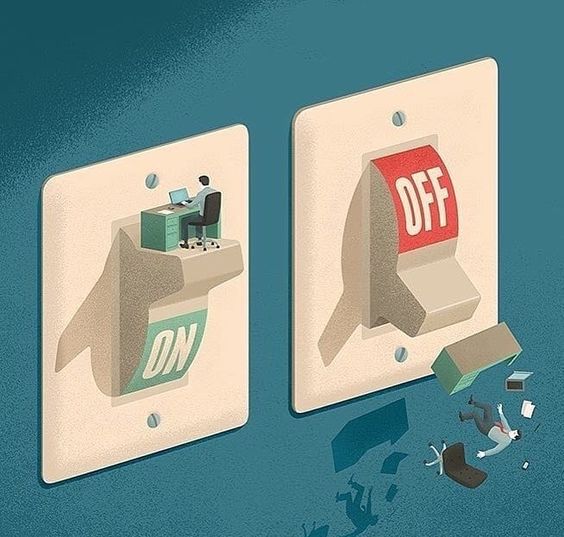
In today’s hyper-connected world, your brain is being stretched, strained and overloaded like never before. You wake up to notifications, spend your day buried in back-to-back video calls, juggle countless emails, respond to instant messages and often wind down by scrolling through social media — only to wake up and repeat the cycle.
If you feel mentally exhausted, emotionally drained and perpetually overwhelmed, you are not alone. What you are experiencing is not just tiredness — it could be digital burnout, a very real and very dangerous consequence of modern work-life realities.
And while most people dismiss this as “part of the job” or assume they can power through, the truth is, burnout doesn’t just sap your energy — it rewires your brain. Understanding the neuroscience behind burnout gives you the tools to fight it strategically — and reclaim your mental clarity, focus and peak performance.
What is Digital Burnout?
Burnout is often associated with long hours and overwhelming workloads. But in today’s environment, it’s not just the workload — it’s the way technology keeps your brain perpetually engaged, stimulated and overstimulated.
Digital burnout occurs when your brain’s cognitive and emotional resources are depleted due to constant digital interactions — whether it’s emails, meetings, social media or the expectation to be always on.
But here’s the dangerous part: most people don’t realise burnout is creeping in — until their brain function, mental health and performance are already compromised.
The Neuroscience Behind Digital Burnout
Your brain is a remarkable organ — but it wasn’t designed for continuous, high-speed, digital overload. To understand how burnout unfolds, let’s look at what happens inside your brain:
🧠 Prefrontal Cortex Fatigue
The prefrontal cortex — your brain’s executive command centre — is responsible for decision-making, problem-solving and focus. Every time you switch tasks, respond to an email, jump on a call or check your notifications, this part of your brain works harder.
But it’s not limitless. Constant digital multitasking fatigues your prefrontal cortex, making it harder to concentrate, leading to brain fog, poor decision-making and mental exhaustion.
🧠 Dopamine Hijack
Your brain’s reward chemical, dopamine, is triggered by small bursts of satisfaction — like the buzz of a new message, a social media notification or a “like.”
In moderation, dopamine boosts motivation and focus. But constant digital stimulation hijacks this system, creating a dependence on shallow rewards while reducing your brain’s natural ability to experience deep satisfaction and motivation. Over time, this leads to restlessness, anxiety and difficulty engaging in meaningful work.
🧠 Cortisol Overload
Cortisol, your stress hormone, plays an important role in keeping you alert in threatening situations. But in the modern world, your brain interprets every unanswered email, late-night work message and digital interruption as a threat.
This keeps your cortisol levels chronically elevated, impairing memory, suppressing your immune system and increasing irritability, anxiety and even depression.
🧠 Default Mode Network Disruption
Your brain’s Default Mode Network (DMN) is the system responsible for reflection, creativity and strategic thinking. But the DMN only activates during downtime — like quiet moments, walking or daydreaming. Constant digital distractions rob your brain of these essential moments, limiting creativity and big-picture thinking.
The Cost of Ignoring Digital Burnout
Unchecked, digital burnout impacts far more than just your mood — it damages your performance, relationships and long-term wellbeing.
🔻 Cognitive Decline
Your ability to focus, solve problems and think strategically declines, leaving you stuck in reactive, shallow work.
🔻 Emotional Dysregulation
With cortisol constantly elevated, your ability to manage stress, frustration and emotions diminishes, leading to poor decision-making and damaged professional relationships.
🔻 Reduced Resilience
Your brain’s natural ability to bounce back from challenges is compromised, making small problems feel overwhelming and reducing your mental stamina.
🔻 Physical Symptoms
Burnout doesn’t just stay in your head. It manifests physically through headaches, insomnia, low immunity and increased risk of chronic illness.
In an era where mental sharpness, emotional intelligence and resilience are essential for success, digital burnout is a silent career killer.
Neuroscience-Informed Strategies to Beat Digital Burnout
Fortunately, your brain is neuroplastic — it can rewire, recover and rebuild with the right strategies. Here’s how you can take a neuroscience-informed approach to protect your mental edge:
🔹 Micro-Recovery Rituals
Your brain needs regular breaks to reset. Implement micro-recovery rituals every 90 minutes — even a 5-minute walk, breathing exercise or quiet moment without screens helps restore your cognitive resources. Research shows these short breaks significantly boost productivity and creativity.
🔹 The Digital Dopamine Fast
Deliberately schedule periods of no digital stimulation. It can be 30 minutes a day or entire hours on weekends. This helps rebalance your dopamine system, reducing restlessness and improving your ability to engage in focused, meaningful work.
🔹 Deep Work Windows
Leverage your brain’s natural rhythms by blocking 25-45 minute chunks for focused, distraction-free work. Turn off notifications, silence your phone and immerse yourself. This builds cognitive endurance and allows your prefrontal cortex to perform at its best.
🔹 Boundary Building with Technology
Technology is a tool — not your master. Set clear boundaries:
✅ No emails or messages after a certain hour
✅ Disable non-essential notifications
✅ Protect your sleep environment from devices
✅ Communicate your boundaries to your team — most people will respect them if you set the tone
🔹 Prioritise Sleep
Sleep is when your brain consolidates memory, processes information and flushes out toxins. Poor sleep accelerates burnout. Invest in a consistent sleep routine, minimise blue light exposure in the evenings and create a wind-down ritual to signal your brain it’s time to rest.
🔹 Reclaim Downtime for the DMN
Make space for reflection and creative thinking by protecting quiet time — walks, journaling or simply sitting in silence. These moments activate your Default Mode Network, enhancing strategic thinking, problem-solving and innovation.
🔹 Mindfulness and Breathwork
Mindfulness practices have been shown to reduce cortisol levels, enhance emotional regulation and restore mental clarity. Even 5 minutes a day of conscious breathing can calm your nervous system and restore cognitive function.
High Performers Protect Their Brains
The world isn’t slowing down — but you can choose how your brain interacts with it. Digital burnout is real, but it’s not inevitable. High performers don’t just work harder — they work smarter by protecting their mental bandwidth.
By applying neuroscience-informed strategies, you can beat burnout, reclaim your focus and sustain high performance — not just for today, but for the long run.
The Choice is Yours
The question isn’t whether your brain is under constant digital siege — it’s what you are willing to do about it.
If you are ready to upgrade your mental resilience, reclaim your cognitive edge and perform at your highest level, let’s talk.
#DigitalBurnout #Neuroscience #PeakPerformance #BrainHealth #MentalResilience #LeadershipDevelopment #FocusMatters #ExecutiveCoaching #HighPerformanceAlchemy #CognitiveFitness #NeuroLeadership #EmotionalIntelligence